


1–3 October 2026
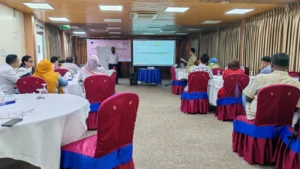
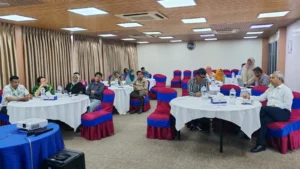
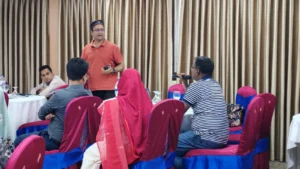
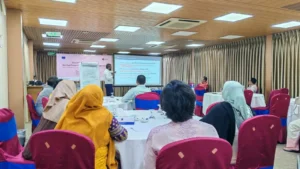
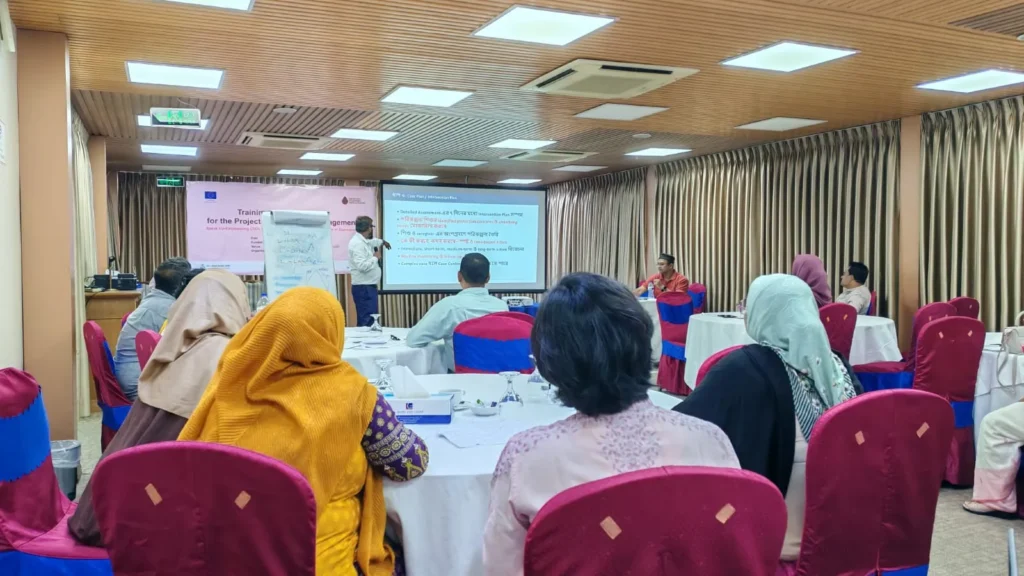
Twenty-seven staff from Breaking the Silence (BTS), INCIDIN Bangladesh, Ain o Salish Kendra (ASK) and Terre des Hommes Netherlands (TdH NL) took part in a three-day Case Management Training of Trainers (ToT) at Hotel Lake Castle, Gulshan-2, Dhaka, as part of the EU-funded “Speak Up!” project.
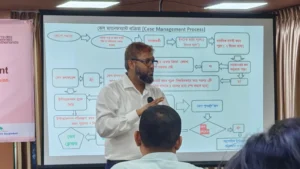
The training was facilitated by Chowdhury MD Mohaimen, Manager of Child Helpline-1098 (DSS), and Abul Fozal Md Amanullah, Principal of NASS (DSS). Its aim was to strengthen participants’ skills in child-centred, rights-based and ethical case management, and to prepare them to share what they learned within their own organisations.
Three days, from principles to practice
Day 1: Foundations. Participants covered social work and child protection principles, child rights under the Children Act 2013 and the UNCRC, child protection in emergencies, and the role of Child Helpline-1098 in referral and coordination.
Day 2: Intake and assessment. The focus moved to the case management steps, SOP and gatekeeping, followed by hands-on practice with intake and risk assessment forms, the assessment framework, needs assessment and case report writing.
Day 3: Advanced tools and safeguarding. Sessions covered social mapping, networking and referral, SWOT and Force Field Analysis, case conferences and implementation plans, follow-up and review, and child safeguarding in emergencies.
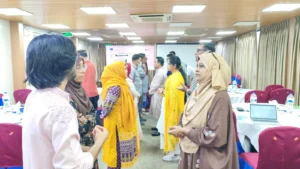
The program combined presentations with group work, case-based learning and practical exercises, and included pre- and post-training assessments.
Key lessons
- Case management is a continuous cycle of assessment, planning, intervention, follow-up and review.
- The child must remain at the centre of every decision.
- Good documentation and follow-up on referrals are essential for accountability.
- Safeguarding is a shared responsibility of every professional involved.
Next steps
To sustain the impact, the training recommends cascade sessions within each organisation, post-training mentoring, regular case conferences, stronger case supervision and peer learning, and a follow-up assessment after 3–6 months.